
Transforming Sterile Spaces into Places of Belonging
Anywhere in the world
Anywhere in the world
Know your space needs work?
Start the Audit →When I moved to Cork five years ago, I felt invisible. Not unwelcome—just placeless. I'd walk streets I couldn't name, past buildings whose stories I didn't know, surrounded by a language I spoke but didn't speak.
So I started photographing. Not landmarks—fragments. Textures on walls. Light through windows. The details that make a place specific. I collected archival imagery, old maps, newspaper clippings. I was trying to understand: What makes somewhere feel like home when you're a stranger?
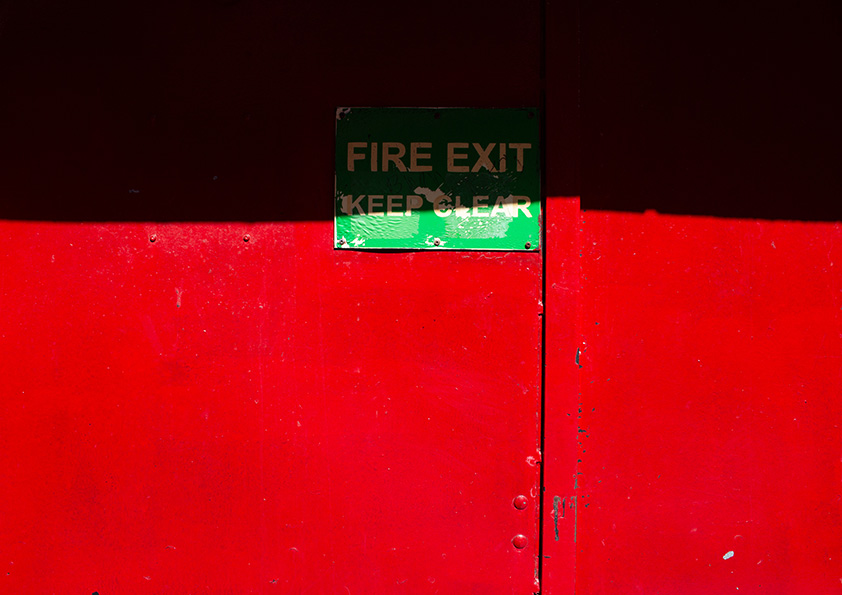
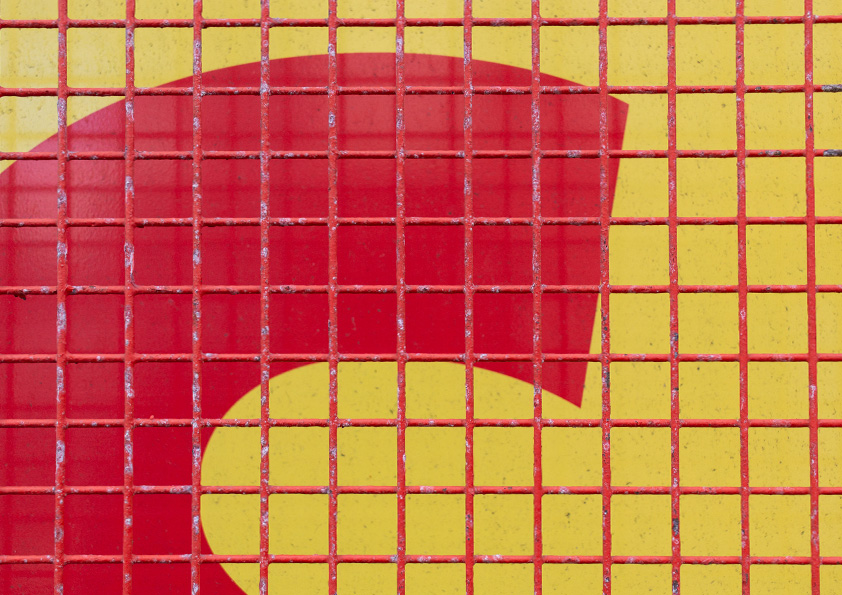
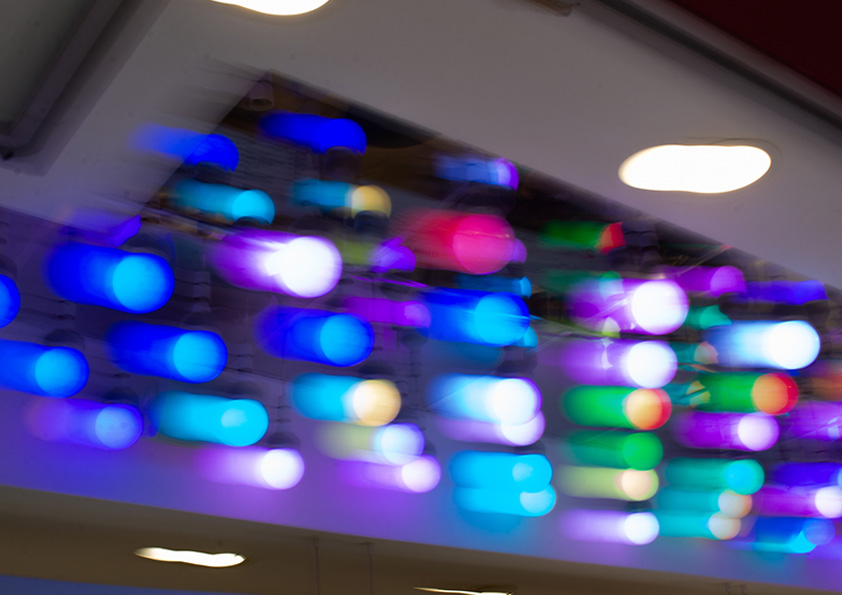
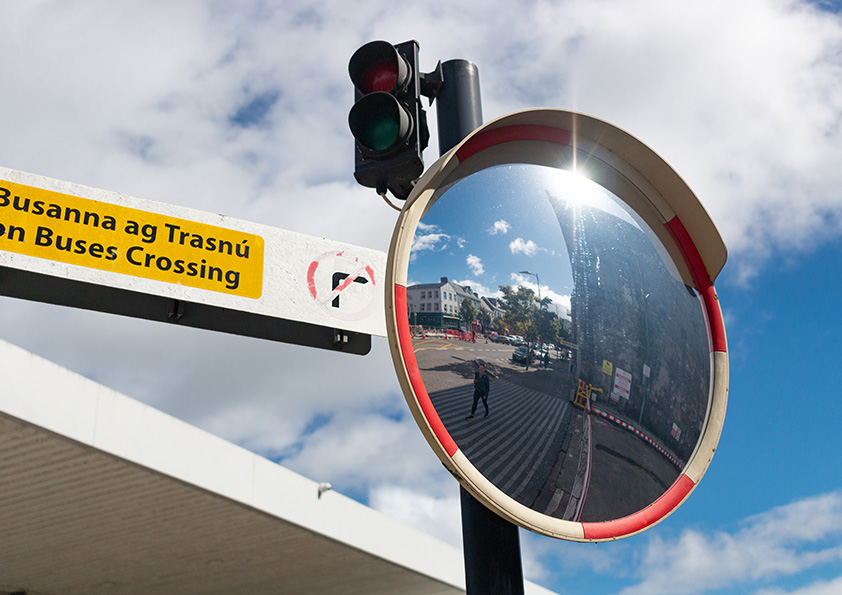
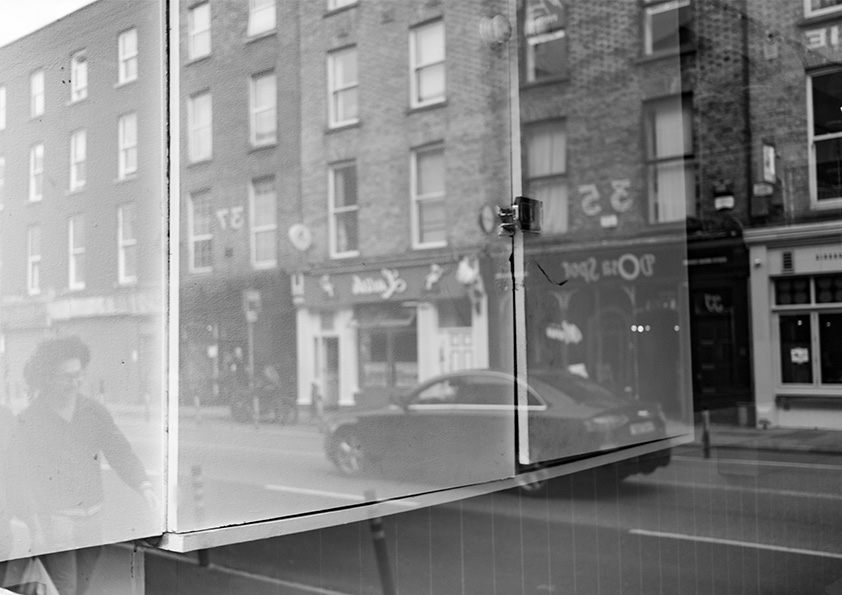
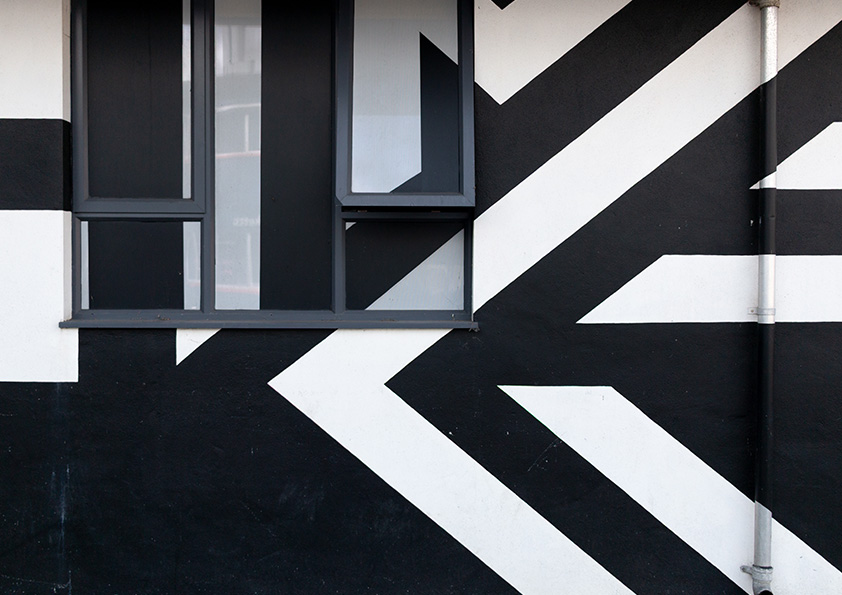
People would greet me: "Hey Don, what's the story?" And I'd always ask myself—well, what is Cork's story?
The answer wasn't in knowing Cork's history perfectly. It was in actively engaging with it. The act of collecting, arranging, and recontextualizing these fragments created a bridge. Not between me and Cork's past—between me and Cork's present.
I realized: belonging isn't automatic. It's built. Through attention, through curiosity, through making meaning from what's around you.
Your tenants, your employees, your family—they're all immigrants to your space. They arrive as strangers. The question is: does your space help them build that bridge to belonging? Or does it stay anonymous?

Here's what five years of experiments taught me—five years of building Poetonic, my creative practice where I've been developing this methodology through hundreds of artworks for private collectors internationally. As a French artist working in Cork, I approached the city with an immigrant's curiosity and an artist's eye. That combination—distance and attention—taught me something: you can't manufacture belonging, but you can architect the conditions for it.
When I tear a photograph from its original context—a street, a building, an archive—whether Cork, Seville, Barcelona, or DC—and reposition it on canvas, layered with paint, with other images, with text, something happens. It stops being documentation and becomes conversation.
The viewer's eye doesn't glide past it. It stops. It asks: What am I looking at? Where does this connect? What does this mean?

A Dream Goes on Forever: Cork street photography reassembled through layering and abstraction
That moment of questioning—that's the moment of engagement. And engagement is the first step to belonging.
I'm not decorating walls. I'm creating cognitive friction in smooth, sterile spaces. I'm embedding fragments of place-memory that reward attention, that reveal more on second and third viewings, that signal: this space has depth, has story, has soul.
In an increasingly noisy digital world—where our attention is fractured by infinite scroll, algorithmic feeds, constant notifications—these installations offer something radically different: stillness through engagement. Not the passive consumption of content, but the active participation of seeing. They demand presence. They reward focus. They bring us back to the moment, to the physical, to the here.
The methodology works in Cork. It works in DC. It would work in Barcelona. Because the human need for textured, storied environments is universal.
Modern architecture is beautiful but often flat—emotionally, cognitively, narratively. These installations add the dimension that makes people slow down, look closer, return. That's not aesthetic preference. That's material psychology.
The methodology transcends borders—Seville's fragments transformed into 'Rioja' prove belonging can be built anywhere, from any place.
The 450k project was the test: could this methodology solve a real business problem?
A residential building. Beautiful architecture. Cold communal spaces. Residents passing through without connecting.
I sourced imagery and arranged it through layered abstraction—designing specifically to transform sterile pass-through zones into destinations of belonging. While I typically work with local or archival imagery to embed place-identity, this project focused on creating warmth and cognitive engagement through material layering alone.


The Challenge: A modern residential development with beautiful architecture but cold communal spaces. Residents weren't connecting with the building or each other.
The Approach: Three large-scale panels using reclaimed materials, archival imagery, and layered textures. Each piece designed to invite closer inspection and spark conversation through a more welcoming space.
The space changed. People slowed down. They looked. They talked about it.
That's the model: I do thorough research of your city, your space, the archival materials at hand, your visual identity. I source, curate, and create site-specific work that embeds your place into your space. The methodology is mine. The story is yours.


You manage a building that's architecturally sound but emotionally flat. The finishes are fine. The lighting works. But residents pass through the lobby like it's a transit corridor. They don't pause. They don't connect. They don't stay.
You've tried art. You've tried plants. You've tried furniture arrangements. Nothing sticks — because decoration isn't the problem.
The problem is that your space has no story.
Maybe that story is rooted in the city's history. Maybe it reflects the neighborhood's character. Or maybe it's something you want to create — warmth, welcome, creativity, calm.
I translate that intention into site-specific artwork that gives people a reason to look twice, slow down, and feel like they belong.
This 2-minute audit reveals whether your lobby, corridors, and shared spaces foster connection — or quietly work against you.
Takes 2 minutes
Start the AuditBased in Cork, working internationally